Property Developers Squeezed by Raw Material Costs and Purchasing Power
Source: Bloombergtechnoz.com | July 9, 2026
Bambang Ekajaya, Deputy Chairman of the Central Executive Board of Real Estate Indonesia (REI), assesses that the weakening rupiah exchange rate is once again placing pressure on the property sector. He notes that the exchange rate hike drives up construction costs, even as public purchasing power recovers.
“The impact is essentially multidimensional; the property sector has various segments—lower-middle, upper-end, and commercial. The commercial segment will certainly bear the brunt of this impact.”
“Why? Because some components—such as elevators, marble flooring, and the like—are imported,” Bambang told Bloomberg Technoz on Wednesday (July 8, 2026).
On the other hand, Bambang notes that cost pressures do not stem solely from imported goods. Domestically produced building materials are also affected, as their manufacturing processes still rely on imported raw materials.
Furthermore, logistics costs add to the burden on developers. The heavy weight of building materials drives up distribution costs in tandem with rising transportation expenses.
“With heavy materials, the cost increases are more significant and keenly felt. Take cement—a high-demand product where a single 50kg sack costs around IDR 75,000–IDR 80,000; transport costs can immediately jump by 15%–20%. That has a direct impact on the cost of building materials,” he explained.
At the same time, he emphasizes that developers are facing rising financing costs, as many projects are funded through bank loans. This situation is exacerbated by weak public purchasing power.
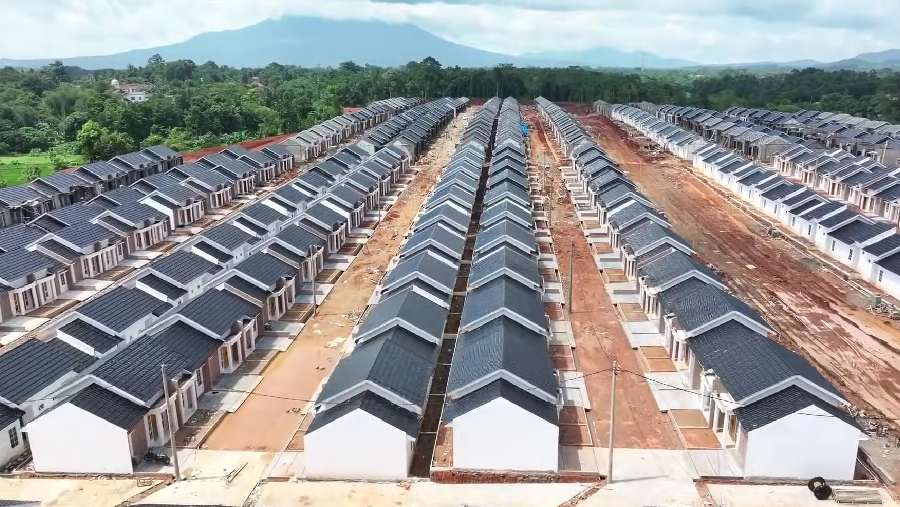
Consequently, to sustain sales, developers are opting to offer various incentives to consumers—ranging from mortgage interest subsidies and low down payments to added perks like complimentary interior fittings. Business players continue to rely on the government-borne Value Added Tax (PPN DTP) incentive to sustain interest in home purchases. However, this strategy has put pressure on company profit margins.
“In reality, construction costs have actually risen, so what is essentially happening is a decline in profitability; yet, we have no choice—the priority is maintaining cash flow so the company can survive and operations can continue,” Bambang emphasized.
RELATED NEWS


ABOUT US