

Policy Priority: Electric Vehicles or Public Transport?
Source: Kompas.com | June 29, 2026
The energy transition in the transport sector is often marketed as a quick fix for the climate crisis. In Indonesia, this narrative is being translated into large-scale action through the accelerated adoption of electric vehicles.
Tutut Indriaty, a Project Assistant at ITDP Indonesia, questions whether this transition—despite its ambitious emissions-reduction targets—truly ensures equity for all segments of society.
“The energy transition in the transport sector is currently a key focus in efforts to curb the global climate crisis. Unfortunately, policy direction and resource allocation remain biased toward the electrification of private vehicles,” she said, as cited in an official statement on Monday (June 29, 2026).
Meager Public Transport Budget
Tutut expressed concern that funding for private vehicles in 2023 was four times higher than investments in road- and rail-based public transport.
Furthermore, the development of transport-oriented urban areas and infrastructure received only 0.26 percent of total transport funding.
This situation is clearly reflected in domestic budget allocations.
In recent years, the government has provided a IDR 7 million subsidy for electric motorcycle purchases, a IDR 10 million subsidy for conversions, and a 10 percent VAT-borne-by-the-government (PPN DTP) incentive for electric cars valid until December 2025.
“Meanwhile, support for public transportation—such as the *Teman Bus* program in various cities including Bali, Yogyakarta, and South Sulawesi—remains subject to the uncertainty of contract renewals and budget availability, meaning its sustainability is not always guaranteed,” she said.
Government Policy Contradicts Public Reality
“The logic behind this policy is contradictory. On one hand, the government aims to reduce emissions, yet on the other, the very services most effective at moving people en masse are being cut back,” said Tutut.
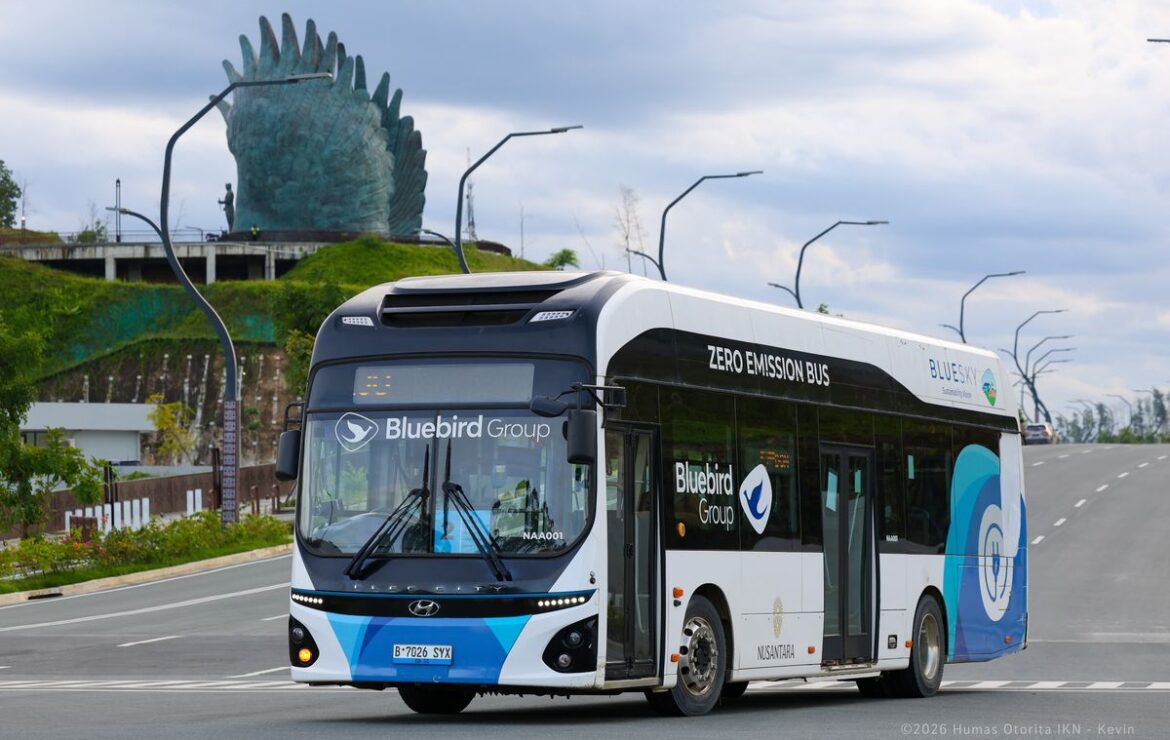
Although a 5 percent VAT-borne-by-the-government incentive for electric buses is set for 2025, the amount is insufficient to bridge the gap regarding upfront costs and charging infrastructure, which can reach double the price of diesel buses.
According to Tutut, the most important issue now is not the type of vehicle, but rather whether the public can reach their destinations easily and affordably. A focus on vehicle engine technology sometimes overlooks the real needs of the community, particularly vulnerable groups such as people with disabilities, the elderly, and residents of suburban areas. “For them, the primary issue is not engine emissions, but rather inaccessible sidewalks and the absence of public transport routes reaching their neighborhoods,” she said.
RELATED NEWS


ABOUT US