



EV Selling Like Hotcakes: Is Indonesia’s Component Industry Facing Extinction?
Source: Cnbcindonesia.com | September 21, 2026
Indonesia’s automotive component industry is facing significant changes as the penetration of electric vehicles accelerates. However, the technological shift from internal combustion engine (ICE) vehicles to battery electric vehicles (BEVs) is not expected to happen overnight.
“Regarding the current challenges facing Indonesia’s automotive component industry, the sector is in a highly dynamic phase, characterized by various technological developments, shifting market demands, and competition from imported products,” said Yusak Kristian Solaeman, Chairman of the Association of Automotive Parts and Components Industries (GIAMM), in a statement on Monday (September 21, 2026).
Changes in vehicle technology will indeed impact the demand for components, given that electric vehicles contain fewer parts than conventional vehicles. However, the transition from fuel-powered cars to BEVs is not viewed as something that will occur instantly.
“The number of components in a BEV unit is far lower than in an ICE unit. Furthermore, BEV penetration will face limitations; it is impossible for them to completely replace ICE (gasoline) cars in a short period,” he stated.
The transition period toward electric vehicles involves more than just BEVs. The presence of hybrid and plug-in hybrid cars ensures that some components traditionally used in internal combustion engine vehicles retain a market.
“Certain parts and components will continue to be used in both ICE and EV models. Especially if the shift isn’t directly to pure EVs—for instance, with hybrid or plug-in hybrid EVs—many components remain identical to those in ICE vehicles. So, regarding EV penetration, we know it takes time and won’t happen that quickly,” said Yusak, who also serves as the President Director of Astra Otoparts.
Beyond new car sales, another market supports the component industry: the replacement market. Vehicles already on the road require maintenance, repairs, and the replacement of various parts throughout their service life. In fact, conventional vehicles already on the road are expected to remain a source of demand for components for a long time to come.
“That figure far exceeds the number of new cars being produced, which is why components will continue to have a prolonged lifespan. In the replacement market, the number of units in operation will likely remain significant for up to another two decades,” said Yusak.
The large number of vehicles currently in operation means that the demand for components will not automatically decline simply because new vehicle sales are shifting toward electric technology. Efforts to showcase these spare parts are also being pursued through Automechanika Jakarta (AMJKT), which will take place at NICE PIK 2 from September 24 to 27, 2026.
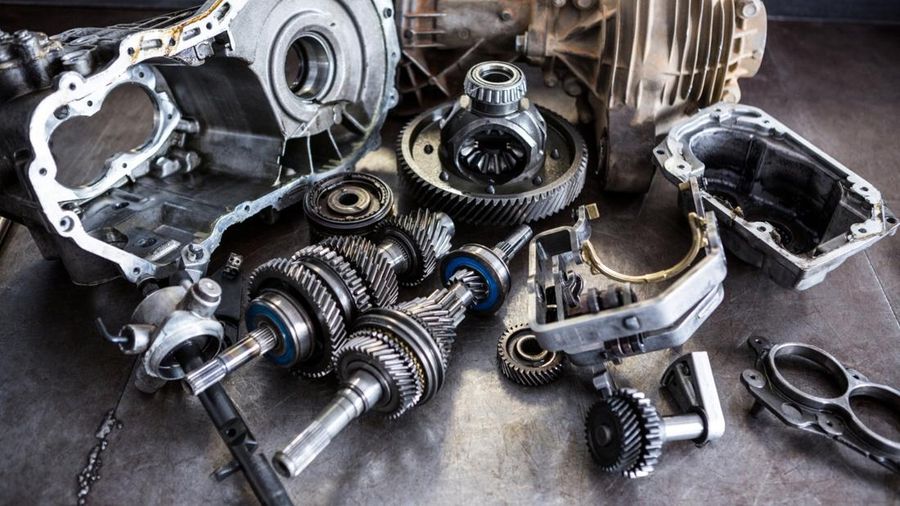
“It will involve 25 companies across various sectors, ranging from engine components, braking systems, suspension, bearings, batteries, tires, rims, and condensers to OEM and aftermarket solutions,” said Yusak.
The sustainability of the components industry will depend heavily on companies’ ability to maintain competitiveness while anticipating the direction of technological change. The substantial size of the vehicle market and the long lifespan of vehicles currently on the road provide manufacturers with time to adapt.
“We in the components sector are optimistic; we must find ways to enhance our competitive value. As long as we maintain high global competitiveness, we should have long-term staying power,” Yusak stated.
For context, the Association of Indonesian Automotive Industries (Gaikindo) recorded wholesale sales of gasoline-powered vehicles—comprising LCGCs, non-LCGC ICE passenger cars, and commercial vehicles—at 54,683 units in August 2026. This figure represents a 4.34% decline compared to July, when sales reached 57,166 units.
During the same period, however, sales of battery electric vehicles (BEVs) saw a surge. Factory-to-dealer distribution of BEVs rose from 13,972 units in July to 17,413 units in August 2026, marking a growth of 24.63% in just one month.
RELATED NEWS


ABOUT US