





The EV Industry Needs a Unified Direction, Not Isolated Policies
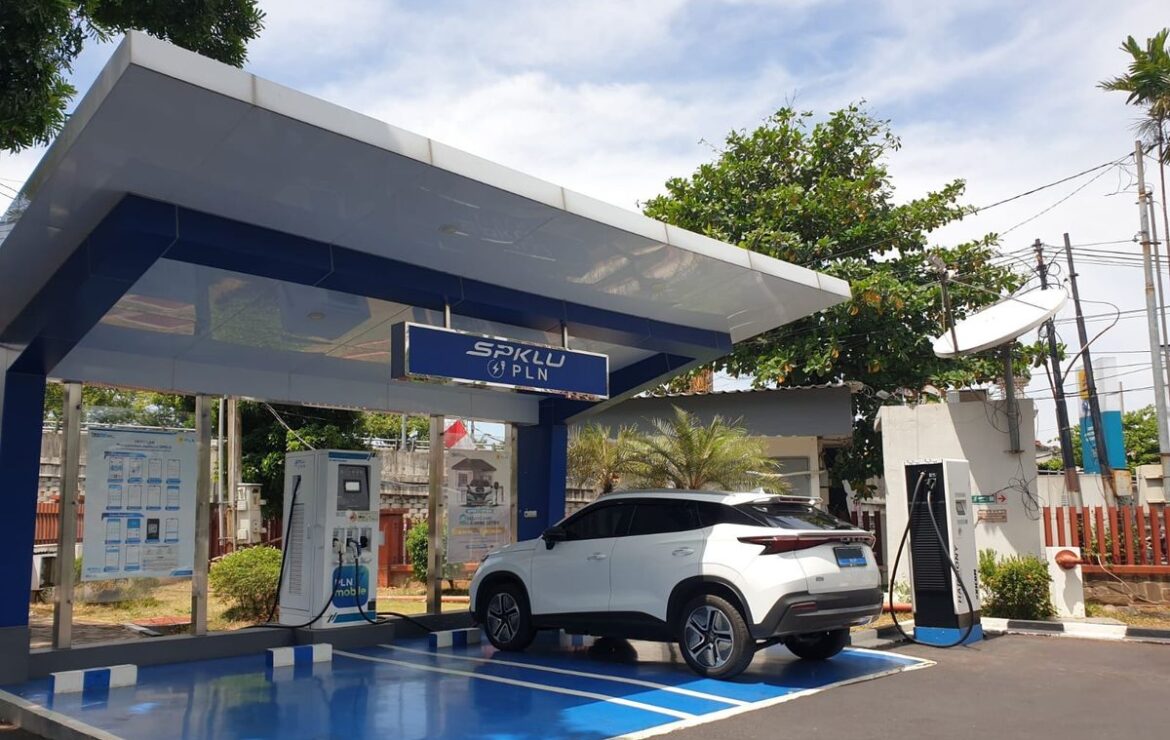
Source: Kompas.com | April 15, 2026
The development of the electric vehicle (EV) industry is considered to have significant potential to boost national economic growth by up to 8 percent.
However, this opportunity is at risk of being suboptimal if government policies are not implemented consistently.
Sripeni Inten Cahyani, a member of the National Energy Council (DEN), emphasized that electric vehicle development cannot be carried out in a piecemeal manner. She believes a more structured approach is needed to ensure policies do not operate in isolation.
Sripeni even proposed the establishment of a special agency to focus on electric vehicle development in Indonesia.
“So this is not a trivial matter; in fact, we want to make a recommendation for a special agency to manage electric vehicles. Why? We can’t do it if it’s only sporadic (without direction),” Sripeni told Kompas.com on Tuesday (April 14, 2026).
In practice, this sporadic situation is reflected, among other things, in policies that are not fully integrated, such as the provision of electric vehicle incentives that are not always accompanied by the readiness of a uniform charging infrastructure.
According to him, the government already has various regulations and roadmaps related to electric vehicles. However, the main challenge currently lies in inconsistent implementation on the ground.
“Everything has been arranged, as long as we are consistent. Now the problem is consistent policy implementation,” he said.
Sripeni explained that if policies are implemented consistently, a ripple effect on the economy will occur, starting from increased public consumption, the influx of industrial investment, and the creation of new jobs.
She cited the example of EV development that can boost various economic components, from government spending, consumption, investment, and exports. This is considered in line with the government’s national economic growth target.
“Because this must be linked to the President’s program, 8 percent economic growth. So, there must be element G, namely incentives, and they must remain,” Sripeni said.
Currently, the government has issued various policies to encourage the electric vehicle ecosystem, from purchase incentives to investment support for the battery industry. However, their effectiveness is still considered dependent on consistent implementation on the ground.
Sripeni emphasized that the government’s role remains crucial, especially in the early stages of market formation. Incentives are needed to encourage adoption until the electric vehicle ecosystem is fully formed. Without consistent policies and ongoing support, she warned that the electric vehicle industry risks stagnation. In fact, business actors may hold back expansion or withdraw if they do not see certainty in the long-term direction of policy.
RELATED NEWS


ABOUT US